
Finding Harmony in New Places
How one South African musician discovered that the best music happens when you let go
By Thando Mzimela, Class of 2026 Fellow | Ripples of Hope Fellowship
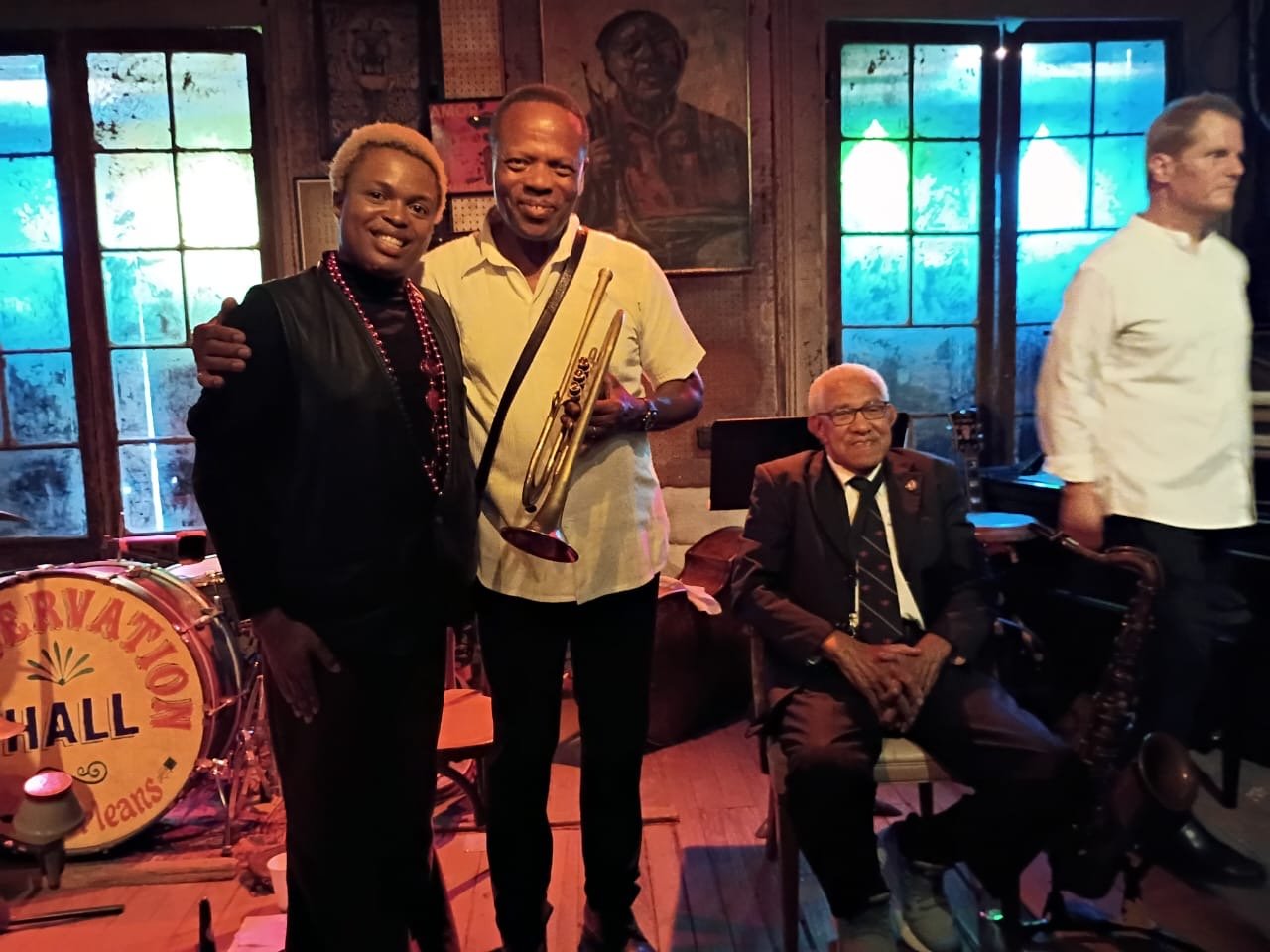
The basement of Wally’s Cafe Jazz Club in Boston was alive with sound and anticipation. Nicholas Miso sat among strangers who would soon become collaborators—musicians whose names he barely knew, whose styles he was still trying to decipher. The air was thick with expectation, the kind that makes every footstep and whispered note feel electric.
Then Sheila E., the legendary percussionist who had played alongside Prince, did something unexpected: she called him up to the center stage.
Before Nic could process what was happening, he was walking toward the stage. No rehearsal. No preparation. Just trust.
“Everything happened so quickly,” Nic recalls, eyes lighting up months later. “I just took the moment. I didn’t have a chance to think—I just went with it.”
What followed was pure improvisation. Nic gave the group E Major—set a tempo, and let the music take over. He was jamming with Sheila E. and two Berklee College students in front of an audience he had only just met. The energy was immediate, organic, impossible to plan.
“I still get chills just thinking about it,” he says. “It was one of those moments that makes you understand why you travel, why you say yes to terrifying opportunities, why you cross oceans to make music with strangers.”
The Boy Who Chose Music
Music chose Nic as much as he chose it. Growing up, he wasn’t running around outside with friends. While other kids played in the streets of Belhar, he was inside, absorbed in his LP collection—from Joyous celebration to Dolly Parton. Each record opened a new world, a new rhythm, a new possibility. His father recognized his devotion and kept feeding it: buying more records, more sounds, more inspiration.
“I was always listening to music,” Nic says. “That was the only thing I was doing. I wasn’t playing outside with the kids. I was always listening, always practicing. It was my safe heaven”.
By the time he reached elementary, the choice between choir and sports was obvious. For Nic, choir was a calling. Eleven years in school choirs across different institutions honed his voice, shaping it into the instrument he would later take around the world.
But it was the Jazz Yard Academy in Bonteheuwel– a suburb on the Cape Flats in Cape Town, that truly defined his path. The NGO provided young people an alternative to streets marked by violence, offering mentorship and performance opportunities. The academy allowed Nic the opportunity to be a professional performer who has graced the same stages at festivals alongside South African artists like Jimmy Nevis and Jonathan Rubain and even came close to performing with Jonathan Butler.
“The irony isn’t lost on me,” he reflects. Years after nearly sharing a stage with a South African legend who’d made it overseas, he found himself walking a similar path, discovering what cities like Boston and New Orleans could teach him about music, community, and himself.
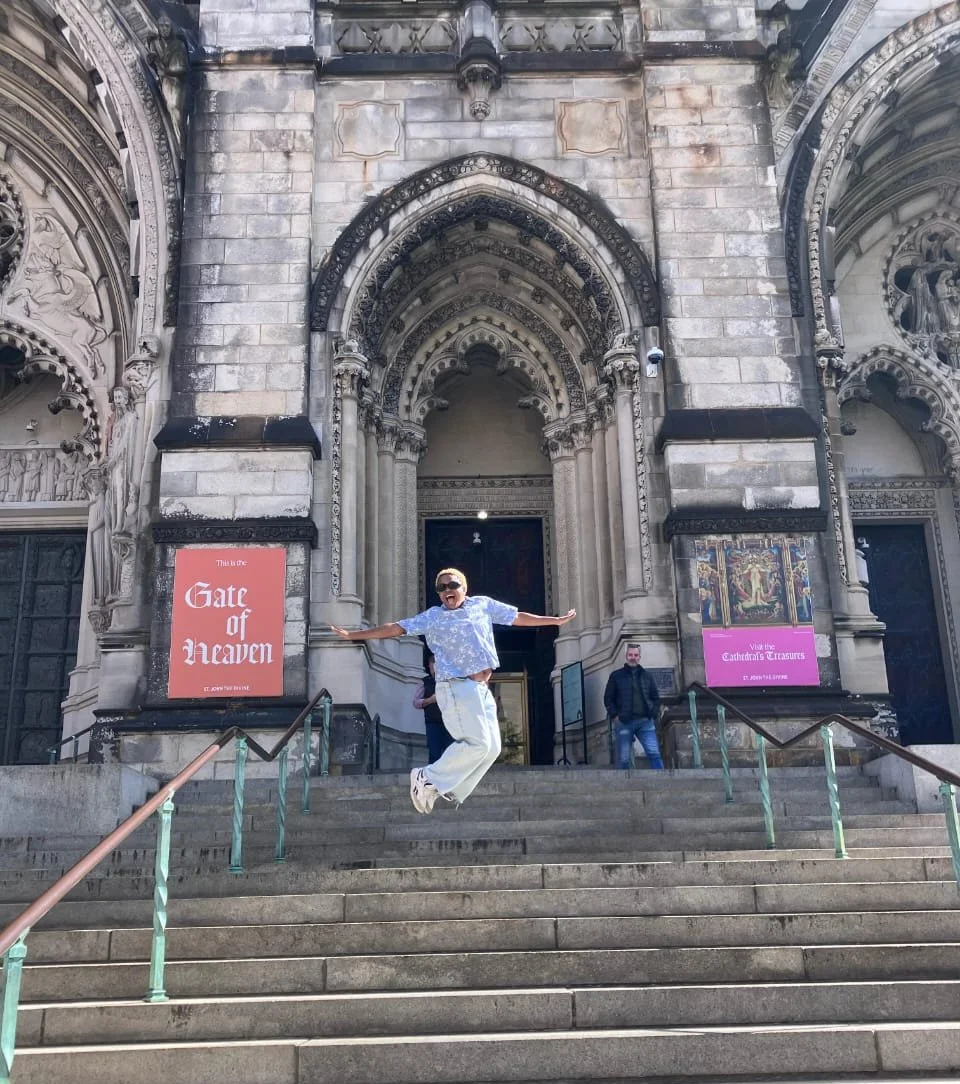
Saying Yes to the Unknown
In his third year at Stellenbosch University, a friend and a fellow alumni, Mpho Maboee nominated Nic for the Ripples of Hope Fellowship. He didn’t know much about it, only that he was craving something beyond musical progression—a deeper engagement with communities, a way to discover his larger purpose.
“One thing I’ve learned is to really say yes to opportunities that you think will improve you,” Nic says. “Opportunities that don’t take away from you but expand you.”
It was a thorough and rewarding application process. As a musician among students leading transformative community work, he wasn’t sure if he’d be chosen or was the perfect fit for the opportunity Then the call came: he was in.
“
It was definitely one of the best decisions I’ve sincerely made,” he reflects.
Leadership and responsibility were already woven into his character. In primary school, he became the first Black head boy at a predominantly Coloured school, Erica Primary in Belhar. In high school, he sought leadership roles not for recognition but because he felt a “huge responsibility to create space” for others.
“The desire to lead and take charge in the space wasn’t something someone put on me,” he explains. “It’s something you’re born with.”
Boston: Where Music Lives and Breathes
Boston was transformative. The city isn’t just a backdrop for music—it’s a living, breathing organism of sound. From jazz to rock to folk, the streets are alive with melodies, rhythms, and ambition. Berklee College of Music, situated in the heart of the city, amplifies that energy. The city pulses with students, performers, and professionals who push the boundaries of creativity daily.
Through his host family, Nic connected with an accomplished pianist, Kevin Harris who is a current piano lecturer at Berkelee. Nic had the opportunity to create some music in the spot after their chat about their connection to South Africa.
“It was so magical,” Nic recalls. “We didn’t take footage because we were in the moment.” A lot of times, musicians are sharing their music and pouring out to the external. When musicians , in this case from different continents get to exchange their gifts and for their themselves with no pressure, magic is created in that sacred experience.
Historic jazz clubs, Afrobeat venues, and Latin jazz spots became his classrooms. Every space carried stories, histories, and lessons that couldn’t be taught in textbooks. Boston wasn’t just a city to perform in it was a city to learn from.
When Plans Change: The Government Shutdown
Nic was supposed to spend his New Orleans residency at Preservation Hall, a cornerstone of the city’s jazz heritage. Then the government shutdown hit, canceling his plans and halting federal support for cultural institutions.
“When I got there, it got real,” Nic recalls. “I had to understand the bigger picture—the reality of life in America beyond music.”
Volunteering at Zumix – music based program in East Boston, he saw firsthand how communities were affected by fear and uncertainty.
But this is where the fellowship showed its quiet power. The Ripples community quickly mobilized. Cindy, Kristens, Aletta and the community tapped into their networks, connecting Nic with musicians, cultural leaders, and opportunities that would be of impact . One introduction led to Erica Fox, founder of Maison Freetown– the only African American museaum in Lafayette, welcoming him to do his residency in the
museum itself. Another connection opened doors to local rehearsal rooms, allowing Nic to experiment with fusing South African jazz and Louisiana zydeco.
“Things didn’t go as planned,” Nic reflects, “but Ripples made it a turning point. They didn’t just give up because of the dissapointment—they created a whole new experience that I wouldn’t have had otherwise.”
In that moment, Nic experienced firsthand what the fellowship is really about: a network of people who support each other, who build spaces of possibility when life throws obstacles, and who live Ubuntu in action.
Lafayette: Finding Home in Louisiana
Through the connections made by Ripples, Nic arrived in Lafayette. Erica Fox opened her museum and her heart, allowing him to inhabit a space filled with history and culture. There, Nic encountered zydeco music for the first time: a lively blend of Creole, Cajun, blues, and R&B.
He noticed echoes of home—maskandi textures in rhythms, harmonies, and guitar lines. Together, he and local musicians experimented, weaving jazz into zydeco. “It was organic, spontaneous, and magical,” he says.
Lafayette felt like home. The warmth, curiosity, and humor of the community reminded him of South Africa. “Everyone wanted to show me the story of Louisiana, and they were curious about where I was coming from,” Nic says. “We were one.”
New Orleans: The Roots of Everything
At the School of Roots, Nic watche young students play trumpets and trombones with discipline and joy. They marched through the streets in second-line parades, embodying dedication, practice, and passion.
“My instrument is my body,” he reflects. “You can’t just have talent—you have to honor the craft. Sleep, diet, exercise—it all matters.”
New Orleans became a space for immersion. After the uncertainty of the shutdown, the city allowed him simply to absorb, witness, and participate in a living musical tradition passed down through generations.
Ubuntu in Action
Nic’s journey, from Sheila E.’s stage to the rehearsal rooms of Lafayette to the second-line parades of New Orleans, was threaded with Ubuntu: I am because we are.
When plans fell through, community support didn’t just patch the gaps—it transformed them. Musicians welcomed him, Erica opened her museum, and every interaction became a space for shared creation and learning. Programs like the School of Roots inspired him to imagine similar initiatives in South Africa, where music could ripple into new possibilities for young people.
Coming Home Changed
Back in South Africa, Nic focuses on building community. “It’s about making music together and creating spaces where people can share in this magic,” he says. He envisions programs teaching kids instruments, writing, and self-expression—planting seeds for future generations.
For Those Who Dream of More
“If you ever feel like your visions aren’t understood, but you want to contribute positively to the world—this is a space for you,” Nic says. The fellowship taught him that the best music, and the best life, emerge not in isolation, but in community. Not from perfect preparation, but from courage, presence, and trust.
Ubuntu, in action.
I am because we are.
Nich Miso is a 2025 Ripples of Hope Fellow, vocalist, and emerging community builder based in Cape Town. He continues creating music while exploring programs that use music as a tool for youth empowerment.